

Generation Z, also known as Gen Z, includes people born between 1997 and 2012. They are the first generation to grow up with the internet, smartphones, and social media as a normal part of life. As more Gen Z individuals start working, it is important for employers to understand what they want, what they value, and how they like to work.
This research paper looks at the main trends in how companies are hiring and recruiting Gen Z. It also discusses the challenges and opportunities businesses face when bringing this new generation into the workplace.
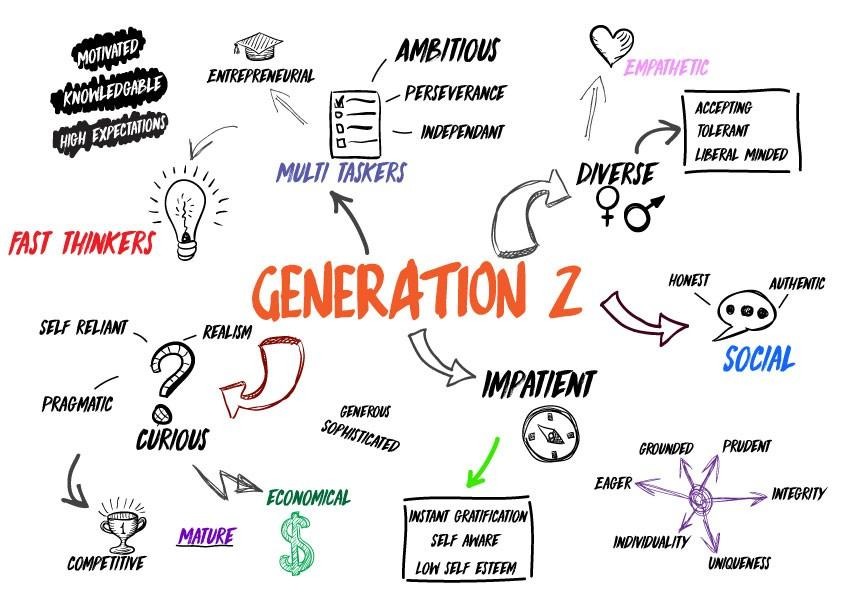
- Gen Z Cares About Mental Health and Work-Life Balance:
Gen Z values mental health and a good balance between work and personal life. They grew up during a time when the traditional 9-to-5 work schedule started to change, and flexible work became more common. This shift made many older workers feel like they had to be available all the time. Gen Z is more aware of this problem and tries to avoid it. They understand that working nonstop is not healthy. For them, taking care of their mental and physical health is just as important as doing their job. They believe that life should not be only about work—it should also include time for rest, family, and personal growth.
- Gen Z Wants to Make a Difference:
Gen Z is a generation that doesn’t just want to sit back and watch the world change – they want to be the ones who drive that change. Growing up with major global issues like climate change, inequality, and racial injustice, they feel a strong need to make the world better. When it comes to work, they want to be part of companies that are working toward positive change, not just focusing on profits.
- Gen Z Expects Change:
Gen Z grew up in a world of fast technology changes and constant shifts in society. Unlike older generations, they are used to things changing quickly, and this has made them flexible and open to new ideas.
As older generations retire, Gen Z is entering the workforce with high expectations for change. They want to challenge old ways of doing things and bring fresh ideas to the table.
HR departments need to be ready for this generation, which values flexibility, adaptability, and the chance to make a difference. Companies that understand these needs will be better able to attract and keep Gen Z employees, creating a strong and innovative workforce.
- Gen Z Thinks Differently About Loyalty:
Gen Z grew up during times of economic struggles, like the 2008 financial crisis and the COVID-19 pandemic. These events changed how they see work and loyalty. In the past, people would work for big companies for many years, expecting job security and benefits. But after the recession and many layoffs, Gen Z saw that companies couldn’t guarantee this anymore.
With the rise of gig jobs and contract work, Gen Z has become more independent and entrepreneurial. They don’t expect long-term job security, but they are loyal to companies that offer flexibility, opportunities to grow, and support. They value a fair relationship where both sides benefit.
- Gen Z Looks for Authenticity:
Gen Z wants honesty and trust at work. They like employers who do what they say and are open and real with their employees.
They believe in clear, respectful communication and want their ideas to be heard. Gen Z also wants companies to stay open to new and better ways of working, because they bring fresh and modern ideas to the workplace.
Characteristics of Gen Z Employees
Gen Z is known for being tech-savvy, socially conscious, and highly values-driven. They expect workplaces that provide flexibility, inclusivity, and a sense of purpose. Some key points include:
- Tech-Savvy:
Gen Z grew up with smartphones, social media, and digital tools, so they’re very comfortable using technology. They expect their workplaces to embrace new tech and make work easier with tools like digital communication platforms, project management software, and automation.
- Socially Aware:
Gen Z cares deeply about global issues like climate change, racial equality, and social justice. They want to work for companies that actively support these causes and take meaningful action to make the world a better place. For them, a job isn’t just about earning money—it’s about making a positive impact. - Want Flexibility:
Gen Z values their personal time and well-being. They want jobs that offer flexibility, such as the ability to set their own hours or work from home. They believe flexibility helps them perform better at work while also having a fulfilling personal life. - Inclusive:
Gen Z expects workplaces to be welcoming and diverse. They want to see people from all different backgrounds and want everyone to feel accepted. They value companies that actively promote inclusivity and equality, where people are treated fairly no matter their gender, race, or identity. - Purpose-Driven:
Gen Z looks for jobs that have meaning. They want to feel that their work is contributing to something bigger, whether it’s a cause like sustainability or making life better for others. They’re more likely to stay with a company that aligns with their personal values and gives them a sense of purpose. - Entrepreneurial:
Many Gen Z employees are interested in starting their own businesses or projects outside of work. They value independence and want to have a say in the work they do. They’re motivated to take on challenges and look for opportunities where they can be creative and lead. - Mental Health Awareness:
Mental health is very important to Gen Z, and they’re open about talking about it. They want to work in environments that support their mental well-being, offering resources like counseling or flexible time off for mental health. They appreciate workplaces that create a culture of understanding and support. - Always Learning:
Gen Z is focused on growing their skills and advancing their careers. They want to work for companies that invest in their development, offering training, mentorship, and opportunities to learn new things. They see learning as a lifelong process and are eager to keep improving. - Clear Communication:
Gen Z prefers straightforward and honest communication. They want to know exactly what’s expected of them and like regular feedback on how they’re doing. They don’t like vague instructions and appreciate managers who are transparent and clear about goals and responsibilities. - Collaboration Over Hierarchy:
Gen Z prefers working in teams where everyone’s input is valued, rather than in strict boss-employee structures. They want to collaborate with colleagues and feel like their ideas matter, regardless of their position. They thrive in workplaces where communication is open, and there’s a sense of equality.
Key hiring trends for Gen Z:
As Gen Z enters the workforce, companies are adapting their hiring practices to attract this tech-savvy and socially conscious generation. Several key trends are emerging in the hiring landscape, shaped by Gen Z’s unique characteristics and values.
- Digital Recruitment Platform: Gen Z prefers to engage with employers through digital means. Platforms like LinkedIn are being used for recruitment. Companies are creating engaging content, job previews, and behind-the-scenes videos to appeal to Gen Z candidates.
- Mobile First Application Processes: Since Gen Z spends a significant amount of time on their smartphones, mobile-friendly job applications are becoming the norm. Long, outdated forms are being replaced by quick and interactive application processes.
- Emphasis on Employer Branding: Gen Z candidates are more likely to research company values, culture, and employee experiences before applying. Companies are investing in employer branding through social media, employee testimonials, and transparent communication of mission and values.
- AI and Automation in Hiring: Artificial Intelligence (AI) tools are being increasingly used to streamline the recruitment process. These tools can analyze resumes, schedule interviews, and assess candidate fit, helping to speed up hiring while maintaining fairness and accuracy.
- Diversity and Inclusion Initiatives: Gen Z places high importance on working for inclusive and diverse workplaces. Companies are emphasizing their D & I efforts in job postings and interviews to reflect their commitment to social justice and equality.
- Video Interviews and Virtual Hiring: Especially post-pandemic, video interviews and remote onboarding have become common. Gen Z, comfortable with video communication, responds well to virtual hiring processes that are efficient and flexible.
Recruitment Strategies for Gen Z
To attract Gen Z talent effectively, organizations must adopt recruitment strategies that align with this generation’s values, preferences, and digital fluency.
1. Digital-First Approach
Gen Z is the first generation of true digital natives. They expect seamless, mobile-optimized hiring experiences. Employers must focus on recruiting through platforms like LinkedIn and Instagram, where short, authentic content can capture attention. Additionally, simplifying the application process—making it quick and mobile-friendly—improves the candidate experience and shows a company is tech-savvy.
2. Emphasis on Purpose and Values
Gen Z job seekers often prioritize working for organizations that align with their personal values. Companies need to clearly communicate their mission, commitment to sustainability, social justice, and diversity. Promoting these values in job postings, company websites, and social media helps establish emotional connections with Gen Z candidates.
3. Flexibility and Work-Life Balance
This generation values flexibility in terms of work location and schedule. Offering remote or hybrid work options can be a significant advantage. Gen Z also seeks employers that respect work-life balance and mental well-being. Highlighting wellness initiatives and flexible leave policies can make roles more attractive.
4. Speed and Transparency in Hiring
Long and unclear hiring processes can deter Gen Z candidates. They appreciate prompt feedback, transparency about job roles, and clarity about timelines. Streamlining interviews and maintaining consistent communication fosters a positive impression.
5. Career Growth Opportunities
Gen Z is highly motivated by opportunities for skill development and career advancement. Organizations should showcase their training programs, mentorship, and clear paths to progression. Highlighting how employees can grow within the company can be a strong draw.
6. Peer Influence and Employee Advocacy
Gen Z places high trust in peer recommendations. Employers can leverage current young employees as brand ambassadors. Sharing testimonials, behind-the-scenes videos, or “day-in-the-life” stories on social platforms helps build authenticity.
Challenges in Hiring and Retaining Gen Z
As Gen Z enters the workforce in larger numbers, employers are discovering that traditional recruitment and retention methods may not always work. This generation brings fresh energy but also distinct expectations that must be understood and addressed. The key challenges include the following:
1. High Expectations for Meaningful Work
Gen Z wants more than just a paycheck—they want to work for organizations that align with their values. If a company’s mission or impact is unclear, many Gen Z candidates lose interest quickly. They’re drawn to jobs that feel purposeful and socially responsible.
2. Demand for Flexibility
Unlike older generations, Gen Z values flexibility in work hours, location, and management style. Rigid 9-to-5 schedules and limited personal time can discourage them. Companies that offer remote work options and promote work-life balance are more attractive to Gen Z applicants.
3. Fast Career Growth and Development
This generation is highly ambitious and expects opportunities for learning and advancement. If they don’t see a clear career path or feel that their skills are not being developed, they are likely to switch jobs. This can lead to higher turnover if employers don’t invest in employee growth.
4. Open and Transparent Communication
Gen Z values honesty, feedback, and collaboration. They want regular check-ins, approachable managers, and the freedom to share opinions. Traditional top-down communication styles may seem outdated or even discouraging to them.
5. Digital Distractions and Mental Well-being
While Gen Z is extremely tech-savvy, they are also more exposed to digital fatigue and mental health challenges. Employers need to balance digital engagement with supportive practices, such as mental wellness programs and healthy work expectations.
6. Commitment to Diversity and Inclusion
Gen Z is highly aware of social issues and expects employers to be genuinely inclusive. Diversity in hiring, leadership representation, and inclusive workplace culture are not optional—they’re expected. A lack of visible DEI efforts can lead to disengagement or even public criticism.
Research Goal:
The primary goal of this research is to investigate the evolving presence of Generation Z (Gen Z) in the workforce and to understand how their distinct characteristics, values, and technological fluency shape modern hiring trends and recruitment strategies. As the first generation to grow up in a fully digital world, Gen Z brings new expectations to the workplace, prioritizing flexibility, work-life balance, purpose-driven employment, and diversity in the organizations they choose to work for.
This research aims to explore the unique preferences and behaviors of Gen Z employees, focusing on their attitudes towards work, communication, and career development. By doing so, the study will assess how these preferences influence recruitment processes, from the platforms used for job search to the methods employed by employers to engage and attract Gen Z talent.
Moreover, the research seeks to identify the challenges organizations face in hiring and retaining Gen Z employees, such as the potential for high turnover, their desire for rapid career progression, and their insistence on corporate transparency and social responsibility. The study will also examine how businesses can tailor their workplace environments, offering benefits such as flexible work arrangements, mentorship programs, and opportunities for continuous learning, to meet the expectations of this generation.
Ultimately, this paper will provide practical insights and strategies for businesses to adapt their hiring processes and workplace policies in order to effectively attract, engage, and retain Gen Z talent, ensuring they stay competitive in an increasingly dynamic labor market. The goal is to offer a comprehensive understanding of Gen Z’s influence on the future workforce and how organizations can align themselves with the values and needs of this generation.
Conclusion:
This research shows that Gen Z is a unique and powerful generation entering the workforce with different ideas and expectations. They are not just looking for jobs—they are looking for workplaces where they feel valued and supported. Gen Z wants flexibility, inclusion, mental health support, and meaningful work that connects with their personal values.
Technology plays a big role in how Gen Z works and communicates. They are fast learners and comfortable using digital tools, which can help companies improve productivity and efficiency. At the same time, they prefer open and honest communication, regular feedback, and opportunities to grow. They want to work in environments where teamwork, respect, and diversity are part of the culture.
To hire and retain Gen Z employees, companies need to change their recruitment strategies. Traditional methods like long interviews or only focusing on salary may not work anymore. Instead, employers should highlight flexible work options, a positive work culture, learning opportunities, and a clear purpose. By doing so, companies can build strong, loyal teams and prepare for the future.
Gen Z is reshaping the workplace in many ways. Employers who understand their needs and make the right changes will not only attract this young talent but also create a better, more modern, and successful organization.