
Table of Contents
- Introduction …………………………………………..
- Effectiveness of HR Technical Support …………
- Step-by-Step Guide to Creating Effective HR Technical Support …..
- Benefits of Effective HR Technical Support ……
- Challenges and Solutions ……………………………
- Conclusion ……………………………………………..
Introduction
In today’s digital era, technology significantly impacts human resource functions by automating routine tasks and providing data-driven insights into HR operations. The main HR functions include recruitment, payroll processing, and employee engagement, which become easier to adopt with the help of the Human Resource Information System (HRIS) and the Applicant Tracking System (ATS).
However, small and medium-sized enterprises face challenges with limited resources and expertise that lead the company to underutilize the system and delay the HR process. The integration of technology in the human resource management of the organisation helps to streamline the HR process and boost productivity to focus on the strategic goal of the organisation.
The effectiveness of human resource technology in the business depends on a strong support system that includes technical resources, training, and continuous improvement. The purpose of the essay is to provide a step-by-step guide to creating effective HR technical support.
The thesis statement of this essay is to analyse the effective HR technical support system that enhances employees’ experiences and improves HR effectiveness. The study focuses on the step-by-step guidance to create effective human resource technical support by analysing the benefits and challenges. The solution to the challenges will be provided with a justified conclusion at the end of this essay.
Effectiveness of HR Technical Support
HR technical support is important for organizations to utilize the technological tools in HR functions. The need for effective technical support in the age of the department has grown due to the prevalent requirements of the digital platform in the business.
In this case, the proper implementation of technical tools in Human Resource Management helps to enhance operational efficiency, which improves user satisfaction and reduces system downtime, which increases the return on investment in the organisation. Human Resource Management handles different types of tasks, which include handling sensitive employees’ data, Complex benefit systems, and organisational policy (Peoplehum.com, 2025).
For example, Unilever has created a dedicated HR Technical Support for the team, which helps to streamline human resource management by reducing administrative errors and improving turnaround times. Similarly, Deloitte provides 24/7 technical support for the global workforce that enhances employees’ experience and productivity.
This approach helps to centralise the support and facilitate through the portal and chatbot, resolving employees’ queries related to the performance appraisal, payroll, and training modules, reducing frustration and increasing employee engagement with the organisation. Moreover, HR technical support is important in the recruitment and onboarding sessions of the organisation, especially for the Applicant Tracking System (ATS).
For instance, HR Technology support of Google, in short, smooth operation of the HR management during the high-volume period, provides immediate assistance for login issues and document upload to enhance candidate experience and ensure an efficient hiring process (Cherep et al. 2022).
The HR system also helps to manage sensitive employee information that ensures data security and compliance with regulations like the “General Data Protection Regulation” (GDPR) by investing in a cybersecurity support system and regularly auditing in order to avoid vulnerability and provide staff with secure handling guidelines.
A well-prepared technical support system of human resource management helps to provide training, user guides, and real-time assistance to the company. For example, British Airways established a temporary task force within the organisation for cloud-based HR that reduces resistance and provides effective HR technical support to collect feedback and use data analytics to identify recurring problems.
HR technical support is important for a Digital business environment that ensures the system functions effectively and aligns with organisational goals. The integration of HR technology has increased by 20% by focusing on cloud-based HCM systems, AI-powered recruitment tools, and performance analytics platforms (Sutrisno et al. 2023). The organisation invests in technical support infrastructure for human resource management in order to ensure the effectiveness of the Human Resource Management operation in the company.
AI-driven chat boards are expected to grow by integrating a chat support system by 2025, and help to free the HR support staff to focus on more complex issues. The Watson Assistant of IBM has reduced help-desk calls and increased employee satisfaction by using technical support. The hybrid working model in the present business culture has decentralized the role of technical support in Human Resource Management.
A dedicated remote technology support company reported that 40% of human resource-related issues have been reduced by highlighting the need for accessibility and responsive support from the Human Resource Department in the organisation (Tasleem, 2025). For instance, Airbnb uses virtual human resource technology support to improve customer satisfaction with the company’s service. In this case, human resource technical support is important for learning and development in a company.
PwC is an example that uses a Learning Management System (LMS) that maintains a 90% course completion rate in the organisation to support global learning and development. Small and medium-sized Enterprises also benefit from the third-party support and cloud-based systems.
The outsource human resource platform, such as Zenefits, Gusto, and BambooHR, improves employee onboarding time and reduces technical issues by providing access to 27/4 HR tech support for active decision making (Nicolás-Agustín et al. 2022). Therefore, the effectiveness of Human Resource technical support is measured by the ability to facilitate the digital transformation, support strategic human resource goals, and improve employees’ experience to ensure success in the digital workplace.
Step-by-step guide to create an effective HR Technical Support
The effectiveness of Human Resource technical support is measured by the ability of digital transformation to improve employees’ experience and support strategic human resource goals in the organisation. Guidance for the human resource technical support helps to prevent underutilisation of HR technologies, ensure employee satisfaction, and ensure operational efficiency for success in the digital workplace.
Step 1: HR technology needs to assess the organisational needs
In the first step, HR technology should understand the requirements of the organisation to build a support system. In this case, HCM, ATS, and LMS are important HR Technology that helps to assess the organisation’s needs, user base, integration requirements, and common issues in Human Resource Management. For example, Unilever has a customized system for the smoother implementation of HR technology infrastructure in the organisation.
In this context, Human Capital Theory outlines that a company needs to focus on the training, education, and experiences in order to enhance productivity and economic value. Application of this theory in an organisation allows to emphases on employee learning, development of skills, ensuring career growth to promote innovation, operational efficiency, and maintain competitive advantages in the industry.
Step 2: Create a dedicated human resource team
A specialised support team included IT professionals, HRIS analysts, and system superusers who are essential for HR processes and the technical platform (McCartney and Fu, 2022). For instance, the people operations tech support team of Google manages issues with gPeople to ensure support across departments.
Step 3: Clear support tiers and procedures
HR technology establishes a tiered support system to ensure workload management efficiency. Tier 1 handles basic inquiries, Tier 2 manages complex technical issues, and Tier 3 offers advanced problems. The clear escalation provides an effective procedure for easy resolution without frustrating end users. For instance, HSBC has implemented a three-tier support model in 2023.
Step 4: Implement centralization for the helpdesk
HR technology must implement centralized help desk tools such as Zendesk, ServiceNow, and Freshdesk, which improve transparency, accountability, and efficiency. For instance, Deloitte has deployed ServiceNow HR Service Delivery that enhances response time by 40% and encourages employee satisfaction with HR services in the organisation.
Step 5: Provide knowledge base self-service tools
A comprehensive self-service portal provides employees in order to resolve issues independently, including FAQs, step-by-step guides, tutorials, videos, and forums. For instance, Vodafone features AI-driven recommendations through the “AskHR” digital HR portal to reduce HR ticket volumes by 30% which allows employees to resolve simple issues independently to free up support staff for higher-tier tasks (Andrieux et al. 2024).
Step 6: Offering continuous training sessions for upskilling
The regular training sessions, certification programs, and workshops are important for HR tech support teams to remain competent and confident. In addition to this, upskilling and training allow employees to advance in their careers and contribute to ensuring success in the organisation. For instance, PwC conducts quarterly training and offers microlearning modules to achieve an 88% user proficiency score in 2023 (Tasleem, 2025).
Step 7: Monitoring employees’ performance and review
HR technology support utilizes key performance indicators (KPIs) such as average response time, resolution time, user satisfaction, and ticket backlogs to assess HR tech support effectiveness. Regular surveys help to identify improvement areas and improve employees’ experiences.
Step 8: Promote continuous improvement and positive workplace culture
The HR technology support encourages a culture of continuous improvement, learning from previous experience, and innovation for HR tech support. For instance, Salesforce also used monthly feedback sessions in order to address and update documentation for staff and recurring issues.
Effective HR technical support requires a structured approach, ongoing investment, and cross-functional collaborations. HR technical support enhances user satisfaction, and digital HR systems deliver business value. The industry leaders manage HR technical support enhanced in operational excellence and employee engagement.
Benefits of Effective HR Technical Support
Improved efficiency of HR technical support
Effective technical support is important for an organisation’s success in the modern workplace culture. Additionally, automation of rooting tasks such as tracking attendance of employees and role processing helps to improve the operation and efficiency and reduce human errors in the organisation. In this case, the automatic payroll system through Paychex helps to streamline the payroll process and ensure tax compliance by reducing penalties, which improves employees’ trust. The automated attendance tracking system, such as Konos and BambooHR, assists HR managers in managing employees’ working hours in real time, reducing discrepancies and ensuring accurate overtime calculation. HR technical support generates detailed reports, helps in better decision-making, and maintains workforce planning.
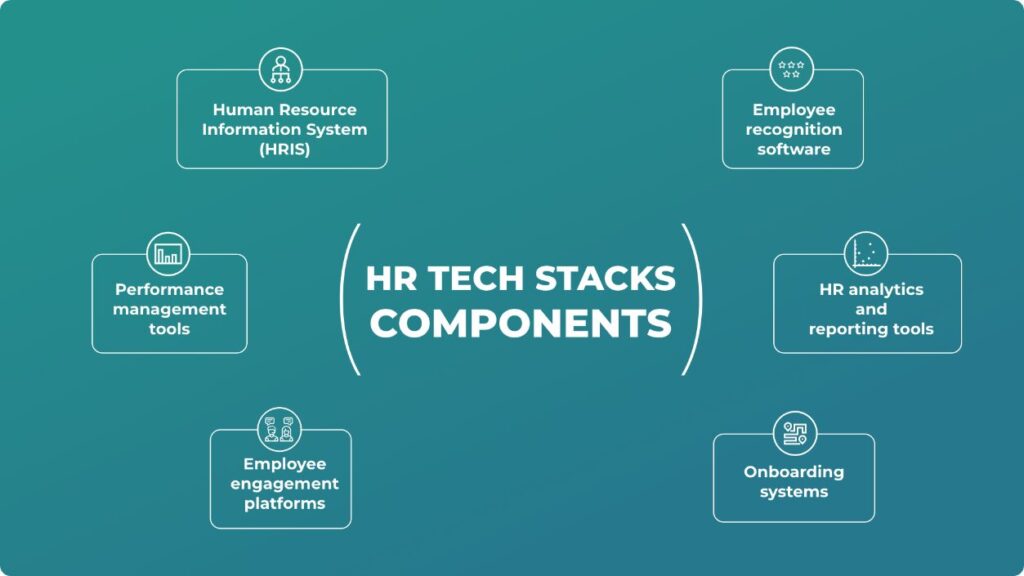
Figure 1: HR Tech Stacks Components (Source: Mirro.io 2025)
The core components of HR tech stacks are Human Resource Information Systems (HRIS), employee recognition software, HR analytics, performance management tools, employee engagement platforms, onboarding systems, and HR and reporting tools. The organisation gets benefits through the administrative permission, which helps to reduce the administrative burden in the company.
As per the report shows that 40% of the administration burden has been reduced in the enrolment errors, and 30% has been improved in the processing time (Karmila et al. 2024). It allows human resource management to focus on the strategic activities, such as the company’s succession planning and talent development of employees.
Improve employees’ experiences
The organisation focuses on the enhancement of employees’ experience in order to attract and retain top talent in the digital work environment. In this case, reliable age of Technical Support is important in the digital work environment, which includes a self-service portal that helps to improve customer satisfaction and increase customer engagement with the high productivity of employees.
Moreover, the PwC report has found that 73% of employees reported increased satisfaction and reduced administrative burden due to the reliable technical support in the team that allows them to focus on the strategic initiatives (Aguinis et al. 2024). For example, Netflix uses cloud-based HR solutions like SAP SuccessFactors and Workday to streamline the human resource process in the workplace.
Digital tools help to provide real-time data transparency and a supportive work environment for the organisation that enhances the onboarding experience of new employees, as well as improves retention and productivity. HR technical support that allows employees to access services anytime and contribute better work-life balance for remote and hybrid working models.
It has been observed that human resource technology enhances employees’ experience, which improves self-service transparency, efficient onboarding, and mobile accessibility by investing in reliable, user-friendly systems that create a modern, engaging, and high-performance workplace culture for human resource management.
Data-driven decision-making of HR technical support
Data-driven decision-making is important for modern human resource management, which enables organisations to make informed decisions with strategic goals based on accurate and informative data. This approach of the organisation significant impact on the recruitment through online tools like LinkedIn talent insight, Workday, and SAP SuccessFactors that analyse candidate data, application trends, and hire as per the industry cost.
For instance, Google uses data analytics to help process the organization and reduce the turnover rate. Additionally, Lattice and Cultural Amp are the performance management tools in the organisation that help to collect continuous feedback and track employees’ goals to analyse the performance of the employees and identify top performers of the month and those who need additional support from the management.
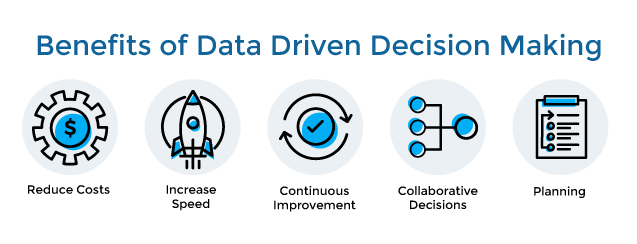
Figure 2: Data Driven Decision Making (Source: Plutora.com, 2025)
Data-driven decision-making is important for work planning, which includes anticipating future recruitment needs and making a strategic staffing plan for the organisation. The data-driven decision-making is beneficial for reduced costs, increased speed, continuous improvement, collaborative decisions, and effective planning.
They also use tools like Power BI and Tableau to visualize the trends in the employees’ turnover and enable human resource management to implement a retention strategy with predictive analytics like VisierPeople to forecast the future trends (Dixit, 2024). These tools allow companies to ensure proactive training and staff reasoning by reducing talent shortage weeks and ensuring real-time analytics led by reducing cost and improving efficiency for a more engaging workforce.
Challenges and solutions
Challenges 1: Resistance to change
It has been observed that the organisation phase challenges are due to the Employees’ resistance to implementing new HR technology. This is because of the unfamiliarity of the tools, lack of confidence, and fear of automation that will job loss. The proactive and inclusive Change management approach is important to reduce the resistance of employees to change.
Solution: The effective solution to implement new technology in the HR department is to provide skills training sessions for the employees as per their roles and technological proficiency. In addition, frontline employees need hands-on training on each other’s self-service portal, along with an advanced training session on data Analytics.
For example, Microsoft offers user base learning procedures for the training session that involve clear concepts on new technology that help to identify the potential concerns and user pain points to promote a sense of ownership and acceptance of the change. Introduction of new HR technology to the employees can help to reduce the workload of each department as well as improve the accessibility of the service despite the concern of losing their job role (Basheleishvili and Kapanadze, 2025).
HR technology also helps to automate repeated tasks and frees human resource management to focus on other strategies to improve the employees’ skills in a proper way, aligning them with the organisational goal. Effective communication in this case is important to receive the perception of employees and encourage them to adopt the change in the organisation with an inclusive approach for a hassle-free transition.
Challenges 2: Data privacy concerns and increasing security risk
Human resources systems handle sensitive employee data, which raises concerns about cyber-attacks and data breaches, including legal penalties, reputational damages, and loss of employees’ trust.
Solution: A potential solution to the data privacy concern and increasing cybersecurity risks is protecting sensitive information from unauthorized access through data encryption. The organisation needs to use multi-factor authentication in the human resource system to ensure security and provide multiple verification factors before accessing the system, which can help reduce data privacy concerns.
For example, Microsoft and Google have “multi-factor authentication (MFA)” that ultimately prevents phishing or password theft, ensures regular software updates with security patches, which are important to reduce vulnerability exploitation by hackers (Janjua et al. 2025). In addition to this, it is suggested that the organisation implement constant monitoring of HR platforms and applications, which prevent new threats by conducting regular audits and ensuring compliance with data protection regulations.
“General Data Protection Regulation (GDPR)” helps to prevent breaches and ensure transparency in employees’ data use with staff training on data protection for outsourcing and using cloud-based systems. Therefore, the Malti-layer approach of the organisation helps to minimise the risks in data privacy and build security for the HR department.
Challenges 3: Risks in integration with existing systems
Organisation faces difficulties during the implementation of HR Technology support tools due to the inability to integrate with legacy systems, which leads to fragmented data, duplication of effort, and operational inefficiency. The integration also creates limitations for accurate report generation in the organisation, which also leads to delays in strategic decision-making and undermines each digital transformation.
Solution: A solution for the implementation of HR Technology support tools in the organisation is to improve the HR system by adopting a scalable and compatible HR platform like Open APIs, such as BambooHR, Workday, to allow efficient communication and ensure data sharing between different software systems that breach to mitigate a gap between old and new systems. Synchronizing employee attendance helps to implement a modern HR analytics dashboard (Barach, 2025).
A gradual stem transition helps to maintain Data integrity and ensure a stable operating system that successfully helps to transition from the older HR platform to a new cloud-based system. For instance, Unilever successfully implemented SAP factors, which include legacy and talent management, that enable consistent data access and streamline the process.
Challenges 4: High cost for implementation and maintenance
The high implementation and maintenance costs in the organisation for the implementation of Human Resource technology create a barrier for small and medium-sized enterprises, which causes overspending. Additionally, the opportunity for efficient growth is also because of the high implementation and maintenance costs for human resource technology.
Solution: Small and medium-sized enterprise needs to use a cloud-based or modular HR solution with a flexible pricing strategy that helps to eliminate infrastructure costs and offers a subscription-based pricing strategy. Modular systems help to start with essential features and expenses later, which are also effective in managing high implementation and maintenance costs for small and medium-sized enterprises. The organisation also prioritized essential features and avoided unnecessary tools that help to manage implementation cost by conducting a needs assessment to identify critical functions for the company’s HR operation and procedure.
Conclusion
Based on the above discussion, it can be concluded that human resource Technology support is important for an organisation to utilise the technology tool in the Human Resource Department to ensure a smooth process. Integration of Human Resource Technology has increased by focusing on the cloud-based system and an artificial intelligence-powered recruitment tool. In this study, the step-by-step guidance has been provided for implementing effective HR technical support along with the benefits.
The challenges and solutions of those are also highlighted in this study with examples. Proper implementation of the Human Resource Management tool is important to enhance operation and efficiency, improve user satisfaction, and reduce system downtime. Technology helps to handle the different types of complex benefit system employees’ data and organisational policies in a particular way.

